
Mental Disorders
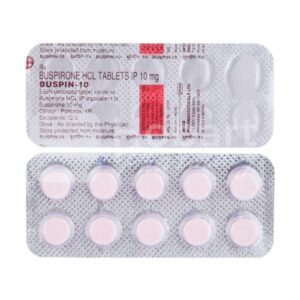
Buspar
from
Imipramine
from
Lithium
from
Olanzapine
from
Strattera
from
Topiramate
fromAnxiety Disorders
Anxiety disorders are among the most common mental health conditions affecting Australians, with generalised anxiety disorder, panic disorder, and social anxiety being the most prevalent. These conditions can significantly impact daily functioning, relationships, and overall quality of life through persistent worry, physical symptoms, and avoidance behaviours.
Available Treatments in Australia
Several effective medications are available through Australian pharmacies to manage anxiety disorders:
- Benzodiazepines: Xanax, Valium, and Serepax for short-term relief
- Antidepressants: Lexapro, Zoloft, and Effexor for long-term management
- Beta-blockers: Inderal for physical symptoms like rapid heartbeat
All anxiety medications require a prescription from a registered Australian doctor. Your GP can assess your symptoms, discuss treatment options, and develop a mental health care plan eligible for Medicare rebates. This plan provides access to subsidised psychological services and regular monitoring of your medication’s effectiveness and any side effects.
Depression and Mood Disorders
Depression and mood disorders, including major depressive disorder, bipolar disorder, and seasonal affective disorder, affect millions of Australians. These conditions involve persistent changes in mood, energy, and thinking patterns that interfere with daily activities, work performance, and personal relationships. Early recognition and professional intervention are crucial for effective management.
Medication Options
Australian pharmacies stock various antidepressants and mood stabilisers to treat these conditions:
- SSRIs: Prozac, Paxil, and Cipramil for depression and anxiety
- SNRIs: Pristiq and Cymbalta for depression with pain symptoms
- Tricyclics: Endep and Tofranil for treatment-resistant depression
- Mood stabilisers: Lithicarb, Epilim, and Lamictal for bipolar disorder
All medications require prescription and regular monitoring through your GP or psychiatrist. Support is available through Beyond Blue (1300 22 4636) and Lifeline (13 11 14) for immediate assistance and ongoing mental health resources.
Attention Deficit Hyperactivity Disorder (ADHD)
ADHD is a neurodevelopmental condition affecting both children and adults across Australia, characterised by persistent patterns of inattention, hyperactivity, and impulsivity that significantly impact daily functioning. In children, symptoms may include difficulty concentrating at school, excessive fidgeting, and acting without thinking. Adults with ADHD often struggle with organisation, time management, and maintaining focus at work.
Diagnosis and Treatment Options
Diagnosis requires comprehensive assessment by qualified specialists such as paediatricians, psychiatrists, or psychologists. In Australia, several medication options are available through the PBS with authority prescriptions:
- Stimulant medications: Ritalin (methylphenidate), Concerta (extended-release methylphenidate), Vyvanse (lisdexamfetamine), and Dexamphetamine
- Non-stimulant alternatives: Strattera (atomoxetine) for patients who don’t respond to or can’t tolerate stimulants
PBS subsidy requirements mandate specialist initiation and regular monitoring. Patients must demonstrate clinical need and undergo periodic reviews to maintain authority prescriptions, ensuring safe and effective treatment outcomes.
Psychotic Disorders
Psychotic disorders encompass serious mental health conditions including schizophrenia, schizoaffective disorder, and brief psychotic episodes. These conditions significantly affect perception of reality and daily functioning. Symptoms typically include hallucinations (hearing or seeing things that aren’t present), delusions (fixed false beliefs), disorganised thinking, and altered speech patterns or behaviour.
Antipsychotic Medications
Treatment primarily involves antipsychotic medications, available in two main categories:
- Typical antipsychotics: Haloperidol and Largactil (chlorpromazine), effective but may cause more movement-related side effects
- Atypical antipsychotics: Risperdal (risperidone), Zyprexa (olanzapine), Seroquel (quetiapine), and Abilify (aripiprazole), generally better tolerated with fewer motor side effects
All antipsychotic medications require authority prescriptions and specialist oversight in Australia. Community mental health services across all states provide essential ongoing support, including case management, rehabilitation programs, and crisis intervention services to help patients maintain stability and improve quality of life.
Sleep Disorders
Sleep disorders significantly impact mental health, with conditions like insomnia, sleep apnoea, and circadian rhythm disorders creating a complex relationship between rest and psychological wellbeing. Poor sleep quality often exacerbates anxiety, depression, and other mental health conditions, whilst mental health issues can further disrupt sleep patterns.
Sleep Medications and Treatment Options
Australian healthcare providers may prescribe short-term sleep medications for severe insomnia, including:
- Stilnox (zolpidem) for sleep initiation
- Imovane (zopiclone) for sleep maintenance
- Temazepam for both sleep onset and maintenance
- Melatonin supplements for circadian rhythm regulation
These medications carry dependency risks and are typically prescribed for limited periods. Australian sleep specialists emphasise comprehensive sleep hygiene practices alongside medication, including consistent sleep schedules, limiting screen time before bed, and creating optimal sleep environments. Prescription guidelines require careful monitoring, with many sleep medications being Schedule 4 substances under Australian regulations, requiring proper medical supervision and regular review.
Obsessive-Compulsive and Related Disorders
Obsessive-Compulsive Disorder (OCD), body dysmorphic disorder, and trichotillomania represent complex mental health conditions characterised by intrusive thoughts and compulsive behaviours. These disorders significantly impact daily functioning and require specialised understanding for effective treatment.
Recognition and Treatment Approaches
Recognising compulsive behaviours and persistent intrusive thoughts is crucial for early intervention. Treatment typically combines medication with psychological therapy, particularly Cognitive Behavioural Therapy (CBT) and Exposure Response Prevention (ERP).
Medication Options
Effective medications for OCD often require higher doses than those used for depression:
- Luvox (fluvoxamine) – first-line SSRI for OCD
- Zoloft (sertraline) – well-tolerated with proven efficacy
- Anafranil (clomipramine) – tricyclic antidepressant for treatment-resistant cases
- Augmentation strategies using antipsychotics when needed
Australians can access specialised OCD treatment centres and evidence-based psychological therapies through Medicare mental health plans, providing up to 20 subsidised sessions annually with qualified mental health professionals. Early intervention and comprehensive treatment approaches significantly improve long-term outcomes.