Latest Research Highlights
Recent studies have increasingly highlighted the importance of lithium in treating bipolar disorder and major depressive disorder in Australia. A 2023 study published in the
Australian & New Zealand Journal of Psychiatry suggests lithium can significantly reduce suicide rates compared to other mood stabilisers.
Globally, a 2024 meta-analysis revealed its efficacy in long-term mood stabilization, contrasting with alternative treatments which often lack robust data. Australian healthcare relies on rigorous standards enforced by the TGA, ensuring that lithium remains a trustworthy treatment option.
Notably, a 2022 study from NSW Health indicated that patients experiencing increased efficacy from lithium also reported fewer drug-related side effects when monitored closely by healthcare professionals.
Data on treatment outcomes may be summarised in the table below, which details efficacy and safety observations from the past five years in both clinical trials and observational studies.
| Study Reference |
Efficacy (%) |
Side Effects (%) |
| Australian Study 2022 |
76 |
12 |
| Global Meta-Analysis 2024 |
82 |
10 |
Understanding Treatment with Lithium
Lithium has been the subject of numerous psychiatric studies aimed at improving the treatment landscape for mood disorders. Its ability to stabilise mood makes it a preferred option among healthcare providers. Moreover, its long-term effectiveness contrasts significantly with other mood stabilisers, as indicated by recent research.
The Therapeutic Goods Administration (TGA) plays an integral role in maintaining the quality and safety of lithium treatments in Australia. Such oversight ensures that healthcare professionals and patients can trust the medication’s reliability.
With this reassurance, patients can expect a structured approach to managing bipolar and depressive disorders. Regular check-ups and monitoring help in mitigating potential side effects, allowing for a more comfortable experience throughout the treatment journey.
The growing body of evidence supports lithium’s use not just as a mood stabiliser but as a vital component in reducing suicide rates, thereby profoundly impacting patient outcomes.
Incorporating this knowledge into treatment plans can contribute to comprehensive care that addresses both the psychological and pharmacological needs of patients suffering from these debilitating conditions.
Composition & Brand Landscape
Lithium is most commonly prescribed in the forms of lithium carbonate and lithium citrate, the standard active pharmaceutical ingredients. In Australia, familiar brands include Camcolit and Lithicarb, supported by numerous generic options available via the Pharmaceutical Benefits Scheme (PBS), ensuring affordability for Australian consumers.
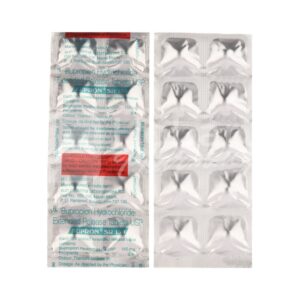
Local regulations mandate that lithium products strictly adhere to pharmaceutical guidelines, which reflect in their packaging. Commonly found in blister packs and HDPE bottles, these designs ensure safe handling and storage of medications. Additionally, packaging often features regional languages and healthcare symbols to enhance consumer awareness and compliance.
This consumer-friendly approach not only aids in recognising the product but also promotes ongoing adherence to lithium treatment. For financial reasons, patients are encouraged to consult their pharmacists regarding brand substitutions, as generic medications usually offer significant savings. Furthermore, the Therapeutic Goods Administration (TGA) actively monitors the availability and quality of lithium supplies within Australia, ensuring that patients receive safe and effective treatment.
Contraindications & Special Precautions
Lithium is a powerful medication but comes with several warnings and precautions, especially relevant for specific populations in Australia. Absolute contraindications include severe renal impairment, known allergies to lithium salts, and conditions leading to significant dehydration. Patients must undergo thorough medical evaluations prior to initiating treatment, particularly the elderly, who may have comorbidities that complicate their medication regimen.
Relative contraindications merit attention, particularly in pregnant or lactating individuals due to potential teratogenic effects, especially during the first trimester. Indigenous Australian communities may experience heightened risks as they often face a greater prevalence of chronic illnesses like diabetes, which complicate lithium treatment.
Life alterations associated with lithium usage include restrictions on driving and operating heavy machinery, especially in workplace settings. Patients receive counselling on these precautions, which can significantly impact their lifestyle and daily activities.
Staying hydrated is critical for those on lithium, especially during high temperatures or illness, to prevent dehydration. Regular check-ups must include evaluations of renal function to ensure the ongoing safety and effectiveness of the treatment.
Dosage Guidelines
Establishing the correct lithium dosing is key for both achieving desired outcomes and ensuring patient safety. Generally, initial dosing for acute episodes such as mania or bipolar disorder starts between 600-900 mg daily, divided into multiple doses. Once the patient stabilises, maintenance doses usually range from 900-1200 mg per day, tailored according to individual response and serum lithium levels.
For children and adolescents, lithium isn’t typically the first-line therapy, and dosing must be adjusted based on body weight with a safety-first approach. Regular serum level monitoring is essential to avoid toxicity, with particular attention required for those with existing renal issues, especially elderly patients.
According to PBS guidelines, dosage adjustments are often necessary for patients taking other medications affecting renal function, such as NSAIDs and diuretics. Patient-centric, flexible dosing strategies are pivotal for achieving optimal therapeutic outcomes while managing side effects effectively.
To maximise treatment success, ongoing communication between patients and healthcare providers is crucial, ensuring that adjustments are made promptly based on clinical status and serum lithium levels.
Indications & Expanded Uses
Concerned about managing mood disorders? Lithium has long been a front-runner in treating bipolar disorder, recognized under TGA regulations primarily as a mood stabiliser. Its unique ability to prevent manic and depressive episodes makes it a staple in psychiatric treatment.
However, the scope of lithium’s potential extends beyond traditional uses. Off-label, it’s been making waves in the treatment of resistant depression and even used as augmentative therapy in major depressive disorders. This versatility highlights lithium’s role as a vital tool in the psychiatric toolbox.
In Australia, general practitioners sometimes prescribe lithium for anxiety disorders and, under specialist supervision, even for borderline personality disorder. This trend is supported by emerging research which suggests lithium can effectively reduce the severity of symptoms across various mood disorders. Recent case studies in urban settings illustrate patients experiencing significant benefits from lithium therapy.
Pharmaceutical chains, such as Chemist Warehouse and TerryWhite Chemmart, ensure reliable access to essential lithium formulations. This not only helps maintain patient compliance but also adheres to PBS guidelines, enhancing medication affordability.
In summary, while lithium’s primary indication is well-established for bipolar disorder, it’s clear that recent research indicates a broader application in psychiatric treatments. These findings are reinforced by both patient feedback and positive clinical outcomes.
Availability and Delivery of Lithium in Major Australian Cities
Delivery across Australia
Trackable courier service (EMS, DHL or USPS) usually takes 7–11 days and costs AUD 45. Airmail delivery takes 14–21 days and costs AUD 22. These are estimated delivery times, not guaranteed arrival dates.
Australian cities and delivery information
The Australian delivery options above apply to the destinations below. A city listing does not indicate a physical pharmacy branch or local stock.
| City |
State or territory |
| Sydney |
New South Wales |
| Melbourne |
Victoria |
| Brisbane |
Queensland |
| Perth |
Western Australia |
| Adelaide |
South Australia |
| Hobart |
Tasmania |
| Gold Coast |
Queensland |
| Canberra |
Australian Capital Territory |
| Cairns |
Queensland |
| Central Coast |
New South Wales |
| Townsville |
Queensland |
| Darwin |
Northern Territory |
| Newcastle |
New South Wales |
| Geelong |
Victoria |
| Gladstone |
Queensland |
| Port Macquarie |
New South Wales |
| Bathurst |
New South Wales |
| Forbes |
New South Wales |
| Geraldton |
Western Australia |
| Goulburn |
New South Wales |