
Antibacterial
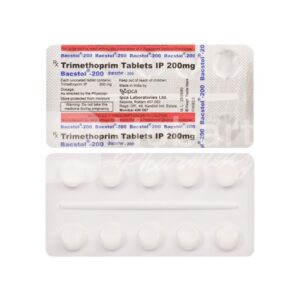
Bactrim
from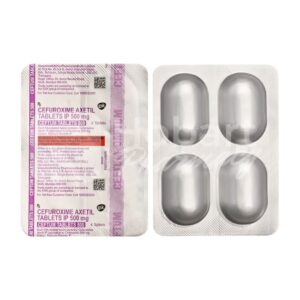
Cefuroxime
from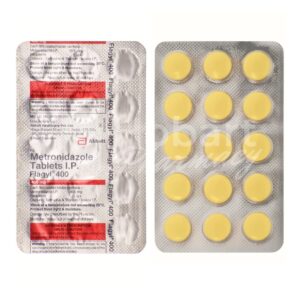
Flagyl
from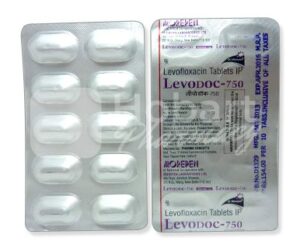
Levofloxacin
from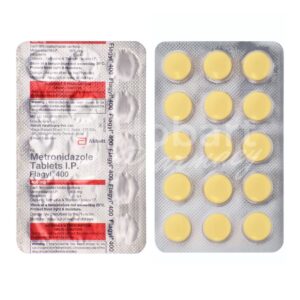
Metronidazole
from
Rifaximin
from
Vibramycin
from
Xifaxan
fromUnderstanding Antibacterial Medications
Antibacterial medications are powerful medicines designed to fight bacterial infections by either killing bacteria or preventing their growth and reproduction. These medications work through various mechanisms, such as disrupting bacterial cell walls, interfering with protein synthesis, or blocking essential metabolic processes within bacterial cells.
While the terms “antibiotics” and “antibacterials” are often used interchangeably, antibiotics technically refer to substances naturally produced by microorganisms, whereas antibacterials encompass both natural and synthetic compounds that combat bacteria. In practical terms, both work to eliminate harmful bacterial infections from the body.
Proper usage and prescription compliance are crucial for effective treatment and preventing antibiotic resistance. Always complete the full course as prescribed by your healthcare provider, even if symptoms improve early. In Australia, common bacterial infections treated include respiratory tract infections, urinary tract infections, skin and soft tissue infections, and gastrointestinal infections. The Therapeutic Goods Administration (TGA) ensures all antibacterial medications meet strict safety and efficacy standards for Australian patients.
Types of Antibacterial Treatments Available
Oral Antibiotics
Oral antibacterial medications come in various forms including tablets, capsules, and liquid suspensions, making them suitable for patients of all ages. The main classes of oral antibiotics available in Australian pharmacies include:
- Penicillins: Including amoxycillin and flucloxacillin, these are commonly prescribed for respiratory infections, ear infections, and skin conditions
- Cephalosporins: Such as cephalexin and cefaclor, effective against a broad range of bacterial infections
- Macrolides: Including erythromycin and azithromycin, often used for patients allergic to penicillin
Topical Antibacterials
Topical antibacterial treatments are applied directly to the skin and include antibiotic creams, ointments, and antiseptic solutions. These are particularly effective for minor cuts, wounds, and localised skin infections. Many topical antibacterials help prevent secondary bacterial infections in damaged skin.
In Australian pharmacies, some antibacterial treatments are available over-the-counter for minor conditions, whilst stronger medications require a prescription from a registered healthcare practitioner. Your pharmacist can provide guidance on appropriate treatment options and proper application methods.
Common Conditions Requiring Antibacterial Treatment
Bacterial infections can affect various parts of the body and require prompt medical attention and appropriate antibacterial treatment. Understanding these conditions helps patients recognise when professional healthcare guidance is necessary.
Respiratory Tract Infections
Common respiratory bacterial infections include bronchitis, pneumonia, and sinusitis. These conditions often present with symptoms such as persistent cough, fever, difficulty breathing, and coloured sputum. Pneumonia, particularly in elderly patients or those with compromised immune systems, requires immediate medical attention.
Skin and Soft Tissue Infections
Bacterial skin infections encompass cellulitis, impetigo, and infected wounds. These conditions typically manifest as redness, swelling, warmth, and pain at the affected site. Cellulitis can spread rapidly and may require urgent treatment to prevent serious complications.
Other Common Bacterial Infections
- Urinary tract infections causing burning sensation during urination and frequent urges
- Ear infections including otitis media and otitis externa
- Throat infections such as strep throat and bacterial tonsillitis
- Gastrointestinal infections causing severe diarrhoea and abdominal pain
Seek immediate medical advice if you experience high fever, severe pain, rapidly spreading infection, or if symptoms worsen despite initial treatment.
Popular Antibacterial Medications in Australia
Australian pharmacies stock a comprehensive range of antibacterial medications prescribed by healthcare professionals for various bacterial infections. These medicines are available only with a valid prescription and should be used exactly as directed.
Commonly Prescribed Antibacterials
Amoxycillin and amoxycillin/clavulanic acid combinations remain first-line treatments for many respiratory and skin infections. Popular brands include Augmentin Duo and generic equivalents, available in tablets, suspensions, and sachets for different age groups.
Doxycycline and other tetracyclines are frequently prescribed for respiratory infections, acne, and certain sexually transmitted infections. These medications are available in capsule and tablet forms with typical treatment courses ranging from 5-10 days.
Trimethoprim and co-trimoxazole are commonly used for urinary tract infections and some respiratory conditions. Ciprofloxacin and other fluoroquinolones are reserved for specific bacterial infections where other antibiotics may not be suitable.
- Clindamycin for serious skin and soft tissue infections
- Multiple generic equivalents available for cost-effective treatment
- Various dosage forms including tablets, capsules, suspensions, and topical preparations
- Treatment duration typically ranges from 5-14 days depending on infection severity
Safe Use and Important Considerations
Taking Antibacterials Correctly
Proper use of antibacterials is crucial for effective treatment and preventing resistance. Always take your medication at evenly spaced intervals as prescribed, whether with or without food as directed. Complete the entire course even if you feel better, as stopping early can lead to treatment failure and resistance development.
Side Effects and When to Seek Help
Common side effects include nausea, diarrhoea, and stomach upset. Contact your healthcare provider immediately if you experience severe allergic reactions, persistent diarrhoea, unusual bleeding, or signs of liver problems such as yellowing of skin or eyes.
Special Populations and Storage
Children, elderly patients, and pregnant women require special dosing considerations and monitoring. Always consult your pharmacist or doctor about safety during pregnancy or breastfeeding. Store antibacterials as directed, typically in a cool, dry place away from direct sunlight, and never use expired medications.
- Check expiry dates before taking any medication
- Keep medications in original packaging
- Store away from children and pets
- Never share antibacterials with others
Getting Antibacterial Treatment in Australia
Prescription Requirements and PBS Benefits
All antibacterials in Australia require a valid prescription from a registered medical practitioner. Many antibacterials are listed on the Pharmaceutical Benefits Scheme (PBS), significantly reducing costs for patients. Concession card holders enjoy further discounts, making essential treatments more affordable.
Professional Consultation and Emergency Access
Your local pharmacist can provide valuable advice on proper medication use, potential interactions, and storage requirements. For ongoing treatment, doctors can provide repeat prescriptions. In emergency situations, pharmacists may provide emergency supplies of certain antibacterials with proper identification and medical history verification.
Access and Urgent Care
Online pharmacy services operating within Australian regulations offer convenient access to prescribed antibacterials with proper documentation. However, seek urgent medical attention immediately if you experience signs of severe infection including high fever, difficulty breathing, severe pain, or rapidly spreading redness and swelling.