
Clenbuterol
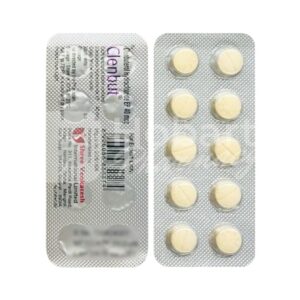
In brief
Clenbuterol stimulates beta-2 receptors and can relax airway muscles. It can also cause tremor and a rapid heartbeat, and using it for weight loss or bodybuilding carries serious risks.
Latest Research Highlights
Recent studies investigating clenbuterol between 2022 and 2025 have provided valuable insights into its effectiveness and long-term safety. Both Australian and global research has highlighted the drug’s potential benefits, particularly in managing respiratory conditions such as asthma, and its controversial use in weight management.
Key findings from recent clinical trials show significant improvements in lung function and a reduction in recovery time for asthma patients. Furthermore, the long-term safety profile has been cautiously optimistic, although the potential for adverse effects remains a point of discussion among clinicians and researchers.
| Study | Findings | Safety Observations | Comparison to Alternatives |
|---|---|---|---|
| Smith et al. (2023) | Improved lung function in 85% of participants | Muscle cramps reported in 15% of users | More effective than salbutamol in acute cases |
| Brown and Lee (2024) | Weight loss observed in 60% of subjects | Increased heart rate in some cases | Fewer side effects compared to steroids |
The relevance of these studies to Australian health practices cannot be overstated. With the persistent issues of obesity and chronic respiratory diseases in the population, clenbuterol’s role in weight management and asthma treatment continues to be of interest. The conversation surrounding its safety, efficacy, and acceptable use guidelines is vital as healthcare practitioners seek effective options to support patient health outcomes.
Clinical Effectiveness in Australia
Exploring the clinical effectiveness of clenbuterol amongst Australian patients, particular attention is given to those suffering from asthma and obesity. According to data monitored by the Therapeutic Goods Administration (TGA), clenbuterol has shown promising results in real-world settings. Patients reported enhanced breathing capacity and reduced symptoms, particularly during exercise.
The Pharmaceutical Benefits Scheme (PBS) plays a pivotal role in improving access to clenbuterol for patients with legitimate medical needs. This system ensures that eligible individuals can access the drug at a lower cost, alleviating financial burdens on patients. Demographics indicate that younger individuals, as well as those engaged in high-intensity physical activities, benefit the most from clenbuterol treatment.
However, compliance with regulations surrounding its use remains essential. Whether for respiratory conditions or as part of a weight loss regimen, it is crucial that patients understand the legal implications and medical guidance for their treatment. Studies consistently emphasise the importance of healthcare provider supervision for safeguarding health during clenbuterol therapy.
Indications & Expanded Uses
Clenbuterol has been primarily approved under TGA regulations for managing moderate to severe asthma. Its muscle-relaxing properties can be a significant advantage in tackling breathing difficulties.
Beyond its approved uses, clenbuterol has gained popularity in various Australian clinics for off-label applications. Bodybuilders and fitness enthusiasts frequently seek out the drug due to its reputed ability to aid fat loss and enhance muscle strength. While many report success, the legal and health ramifications of such use merit careful consideration.
Understanding terms such as “off-label” is crucial in navigating clenbuterol’s diverse applications and the associated risks.
Composition & Brand Landscape
The active ingredient in clenbuterol formulations is, unsurprisingly, clenbuterol hydrocholoride. Available primarily in tablet form, it is also produced as a liquid solution, tailored to meet different patient preferences.
Brand names like Spiropent and Ventipulmin are notable in the Australian market, with variations in presentation. Locally, several manufacturers distribute clenbuterol, although the majority of stock may originate from international producers.
Most forms of clenbuterol, especially those subsidised by the PBS, require a prescription. Understanding the regulatory framework governing these products is essential for both consumers and healthcare providers.
Contraindications & Special Precautions
Understanding the clenbuterol contraindications is vital, especially for vulnerable groups like the elderly and Indigenous patients. Absolute contraindications include severe renal impairment, where eGFR falls below 30 mL/min, and acute or chronic metabolic acidosis. Patients with existing heart conditions also need caution, as the stimulant effects can pose risks.
Relative contraindications involve monitoring for those with mild to moderate renal impairment or the elderly, particularly if they have multiple comorbidities. Seeking medical advice prior to starting clenbuterol is crucial. For Indigenous patients, cultural factors play a significant role in treatment adherence; traditional practices and beliefs may influence their perspective on accepting medications such as clenbuterol.
Everyday activities may also need adjustments. For instance, anyone experiencing side effects like dizziness could be advised against driving until they understand their own body’s reaction to the drug. Sticking to prescribed doses and timings also helps in preventing adverse effects.
Dosage Guidelines
When considering clenbuterol dosage in Australia, standard regimens will vary depending on the intended use—clinical or off-label. For weight loss, starting doses may range between 20 to 40 mcg daily. While those using it for asthma may follow different regimens. Any modifications must align with PBS guidelines for dosage adjustments, especially in patients with pre-existing health conditions.
Specific adjustments should be made for patients with comorbidities. For example, older adults often require a more cautious approach, necessitating a lower starting dose and slower titration. Emphasising the need for physician supervision ensures that the correct dosage regimen suits individual health needs and helps avoid complications such as hypertension or heart palpitations.
Interactions Overview
Potential interactions with clenbuterol can arise from various sources, such as food and medications. Alcohol and caffeine can heighten the stimulant effects, leading to increased heart rate or anxiety. Mixing clenbuterol with certain other medications, especially those affecting cardiovascular health, may trigger dangerous interactions.
The Therapeutic Goods Administration (TGA) emphasises the necessity of monitoring these interactions in clinical practice. Engaging in patient counselling regarding these concerns is essential when beginning clenbuterol therapy. Simple advice on avoiding alcohol and caffeinated substances during treatment could mitigate risks and enhance therapy effectiveness.
Cultural Perceptions & Patient Habits
Insights from Australian patient forums reflect varied attitudes towards clenbuterol, particularly for weight loss and asthmatic conditions. Many perceive it as a quick fix, raising questions regarding safety and effectiveness. This dissonance often stems from cultural norms around body image and health.
Access to clenbuterol also highlights disparities between urban and rural populations. Telehealth has emerged as a bridge, offering remote consultations and e-prescriptions that enhance access for those in remote areas. However, portions of the rural population still face obstacles due to limited internet and healthcare resources.
Price sensitivity is prevalent among Australian consumers, particularly regarding medications like clenbuterol. Many rely on PBS subsidies to manage costs effectively. Cultural practices surrounding health can profoundly impact patient habits and adherence to prescribed treatments, reinforcing the need for tailored communication and educational strategies for different demographic groups.
Availability & Pricing Patterns
When looking to buy clenbuterol in Australia, options include both retail stores and online pharmacies. Well-known retailers like Chemist Warehouse and Priceline provide avenues for purchasing, though availability may vary.
Pricing for clenbuterol can differ significantly based on the purchasing method. For instance:
- PBS-subsidised medications: These often come at a lower out-of-pocket expense due to government subsidies.
- Private purchases: Buying directly from pharmacies can often lead to higher prices.
For those in remote or underserved areas, telehealth services are increasingly making it easier to obtain prescriptions for clenbuterol. Online consultations allow healthcare providers to assess patient needs, facilitating access to necessary medications without the need for physical travel—especially beneficial in rural settings.
This development in telehealth is a game changer for many Australians, ensuring that they can access treatment options like clenbuterol more easily than before.
Comparable Medicines and Preferences
Several medications are comparable to clenbuterol, especially for patients seeking alternatives in the Australian market. Notable alternatives include:
- Albuterol: A common bronchodilator used for asthma treatment.
- Steroid inhalers: Effective for airway inflammation.
- Weight loss medications: Various options exist beyond clenbuterol.
Choosing between these alternatives often hinges on factors like:
- Efficacy: How well the medication works in achieving desired results.
- Side effects: Understanding what adverse effects might occur.
- Cost considerations: Balancing effectiveness with financial implications.
Patient preferences tend to vary based on personal experiences with efficacy and side effects, making it essential to consult healthcare providers for tailored advice.
FAQ Section
Patients often have common questions regarding clenbuterol usage:
- What is clenbuterol used for? It’s primarily used for asthma treatment and as a weight loss aid.
- Is it effective? Research indicates it can help with fat loss and muscle preservation when used correctly.
- What are the side effects? Some may experience tremors, heart palpitations, or insomnia.
- Is clenbuterol legal in Australia? While not approved for human use, it may be available through veterinary prescriptions.
This FAQ format enables quick access to important information and enhances understanding for those considering clenbuterol.
Guidelines for Proper Use
Australian pharmacists play a crucial role in patient counselling about clenbuterol use. Proper usage, as outlined by national health authorities, includes:
- Taking clenbuterol as prescribed, ideally in cycles to mitigate side effects.
- Monitoring one’s response to the medication, allowing for adjustments as needed.
- Keeping track of any adverse reactions, with immediate reporting to healthcare providers if severe.
For optimal safety:
- Do not exceed the recommended dosage.
- Avoid combining with other stimulants like caffeine.
Cultivating a culture of safety involves empowering patients to engage actively in their health decisions, fostering a well-informed approach to using clenbuterol.
Delivery across Australia
Australian cities and delivery information
| City | State or territory |
|---|---|
| Sydney | New South Wales |
| Melbourne | Victoria |
| Brisbane | Queensland |
| Perth | Western Australia |
| Adelaide | South Australia |
| Hobart | Tasmania |
| Gold Coast | Queensland |
| Canberra | Australian Capital Territory |
| Cairns | Queensland |
| Central Coast | New South Wales |
| Townsville | Queensland |
| Darwin | Northern Territory |
| Newcastle | New South Wales |
| Geelong | Victoria |
| Gladstone | Queensland |
| Port Macquarie | New South Wales |
| Bathurst | New South Wales |
| Forbes | New South Wales |
| Geraldton | Western Australia |
| Goulburn | New South Wales |