Seroquel
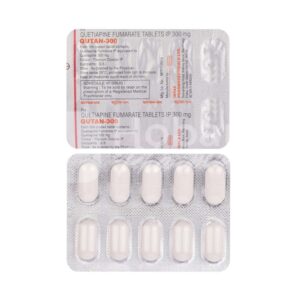
In brief
Seroquel contains quetiapine. Quetiapine is used in the treatment of schizophrenia and bipolar disorder. It acts on several brain signalling systems, with drowsiness and changes in weight among its possible effects.
Quetiapine fumarate, sold under the AstraZeneca brand Seroquel, belongs to the atypical antipsychotics and is prescribed for serious mental health conditions, chiefly schizophrenia and bipolar disorder. It is a long-term treatment that a psychiatrist or doctor supervises, and it is not a sleeping pill, even though the drug is sedating and the shop lists it in a sleep category. This page describes what Seroquel (quetiapine) is approved for, how the dose is built up, the boxed warnings, the side effects and the interactions worth knowing, and what to consider when choosing a Seroquel strength and pack from Hobart Pharmacy. Talk to your doctor before starting or changing anything.
Seroquel in brief
- Active ingredient: quetiapine fumarate, an atypical (second-generation) antipsychotic.
- Form discussed here: immediate-release Seroquel tablets, taken in divided doses or at bedtime depending on the condition.
- Labelled uses: schizophrenia, and bipolar disorder including mania, bipolar depression and maintenance treatment.
- Strengths on this shop: five, running from 25 mg through 50, 100 and 200 up to 300 mg.
- Packs on this shop hold 30, 60, 90, 120, 180 and 360 tablets.
- Boxed warnings: higher death rates in older people with dementia-related psychosis, and suicidal thinking in children, teenagers and young adults.
- Not an approved treatment for insomnia.
What Seroquel is prescribed for
Seroquel treats conditions in which thinking, mood and perception are disturbed. In schizophrenia it can reduce hallucinations, delusions and disorganised thinking. In bipolar disorder it is used for manic episodes, for depressive episodes, and as maintenance therapy alongside lithium or valproate to help prevent relapse. The extended-release version, Seroquel XR, carries one further use as an add-on in major depression, and that applies only to the XR product, not to the standard tablets covered here.
Seroquel is also not a medicine for ordinary low mood, nervousness or trouble sleeping. Doctors sometimes prescribe small doses off-label for sleep, but that is not an approved use, and the sedation, weight gain and metabolic effects are significant for someone who has no psychiatric condition to treat. If your main problem is insomnia, discuss proper sleep treatment with your doctor.
How Seroquel works
The drug occupies a number of brain receptors, chiefly the D2 type for dopamine and the 5-HT2A type for serotonin, and it also acts on histamine, adrenaline (alpha-1) and other receptors. Easing overactive dopamine signalling is thought to relieve psychotic symptoms, while the effect on serotonin pathways may help mood. Its blockade of histamine receptors explains why drowsiness is so common, and its action on alpha-1 receptors explains the dizziness on standing. Its main active breakdown product, norquetiapine, also affects the noradrenaline system, which is thought to contribute to the mood benefit.
Before you start Seroquel: the boxed warnings
Dementia-related psychosis
Older adults with dementia who are treated with antipsychotic drugs, Seroquel included, face a higher risk of death than those given a placebo, mainly from heart-related events or infections. No approval exists for using Seroquel in psychosis that arises from dementia. Families and carers who are told that an older relative has been prescribed it should discuss the risks with the doctor.
Suicidal thoughts in younger people
Antidepressant-type medicines raised the rate of suicidal thinking and behaviour in people up to the age of 24 in clinical trials. Quetiapine labelling carries a similar warning about suicidal thoughts and behaviour in young people. Anyone starting Seroquel, and the people close to them, should watch for new or worsening depression, agitation, restlessness or talk of self-harm, particularly in the first weeks and after any dose change. Contact a doctor right away if these occur; in an emergency, call 000, or reach Lifeline on 13 11 14.
Other conditions to raise with your doctor
- Diabetes or a family history of it, high cholesterol, or weight problems, because Seroquel can alter blood sugar, lipids and weight.
- Heart rhythm problems, a long QT interval, low potassium or magnesium, or a family history of sudden cardiac death.
- Low blood pressure, heart disease or stroke risk.
- Seizures or epilepsy.
- Liver disease, since doses usually start lower.
- A past low white blood cell count.
- Cataracts or eye problems: a lens examination for cataracts is recommended at the start of treatment and at about six-monthly intervals during long-term use in some product information (such as the US label).
- Pregnancy, planned pregnancy or breastfeeding.
Taking Seroquel: building up the dose
Seroquel is always started low and raised over several days, because the body needs time to adjust to its sedating and blood-pressure effects. The exact schedule depends on the condition and on your doctor’s judgement. As a guide to the labelled approach:
- Schizophrenia: a start of 25 mg twice a day, raised in steps over several days towards a usual range of roughly 300 to 450 mg a day, split into two or three doses.
- Bipolar mania: a daily total that begins at 100 mg and rises over about a week, to a labelled ceiling of up to 800 mg a day.
- Bipolar depression: a once-daily dose at bedtime that increases over four days, to 300 mg a day.
- Older people and anyone with liver impairment: a lower start and a slower rise.
These ranges are illustrative, not instructions. Your prescriber decides the schedule, and different product information may use slightly different numbers. Swallow the tablets with water, with or without food, at the same times each day.
The wide range of strengths on this shop, from 25 mg up to 300 mg, exists so that a gradual build-up can be made from the same family of tablets. Never use the shop’s strengths to design your own plan.
Missed doses and stopping Seroquel
If you miss a tablet, take it when you remember unless the next dose is almost due; do not take two together. Do not stop Seroquel suddenly. Sudden withdrawal can bring on insomnia, nausea, headache, dizziness and irritability, and it risks a relapse of the original illness. Your doctor will lower the dose gradually over at least a week or two. Taking far more than directed can cause severe sleepiness, a racing heart, low blood pressure and rhythm disturbance, so contact the Poisons Information Centre on 13 11 26 or emergency services.
Seroquel side effects
Many people find the early weeks the hardest, with effects that ease as the body adapts. The most frequent are:
- drowsiness and sedation;
- dry mouth, constipation and increased appetite;
- dizziness, particularly on standing up;
- weight gain, raised blood sugar and raised cholesterol or triglycerides;
- a faster heartbeat and headache;
- muscle stiffness or restlessness.
Less commonly, Seroquel can cause serious problems. Get urgent help for a high temperature with stiff muscles and confusion (neuroleptic malignant syndrome), involuntary movements of the face or tongue (tardive dyskinesia), fainting, seizures, an irregular heartbeat, a prolonged painful erection, signs of infection with a very low white cell count, or severe allergic reaction with swelling or breathing difficulty. Regular check-ups should monitor weight, waist size, blood sugar and blood fats.
Medicines, foods and drinks to watch with Seroquel
- Alcohol adds to drowsiness and dizziness and should be kept to a minimum or avoided.
- Azole antifungals, macrolide antibiotics such as clarithromycin, and HIV protease inhibitors block the CYP3A4 enzyme and push quetiapine levels up, so the dose is usually cut.
- Phenytoin, carbamazepine, rifampicin and St John’s wort can lower levels, and a higher Seroquel dose may be needed.
- Other sedating medicines, including opioids, benzodiazepines and sleeping tablets, may deepen drowsiness and slow breathing.
- Drugs that lengthen the QT interval, such as some antiarrhythmics, other antipsychotics and certain antibiotics, add to heart rhythm risk.
- Blood pressure medicines can lower pressure further and cause fainting.
- Grapefruit juice may raise quetiapine levels, so many prescribers suggest avoiding large amounts.
Alertness can suffer, so hold off on driving or operating machinery until you see how Seroquel treats you.
Seroquel compared with other medicines
| Option | Class | What sets it apart |
|---|---|---|
| Seroquel (quetiapine) | Atypical antipsychotic | Widely used for schizophrenia and bipolar disorder; strongly sedating; metabolic effects |
| Olanzapine | Atypical antipsychotic | Also sedating, with marked weight gain |
| Risperidone | Atypical antipsychotic | Milder sedation, though prolactin rises more often |
| Aripiprazole | Partial dopamine agonist | Less weight gain; may cause restlessness |
| Lithium or valproate | Mood stabilisers | First-line for bipolar maintenance; need blood level or liver checks |
| Hypnotic sleeping tablets | Sedative-hypnotics | Meant for insomnia, unlike Seroquel |
The right option depends on diagnosis, previous responses, side effect tolerance and physical health. This is a decision for you and your psychiatrist.
Ordering Seroquel from Hobart Pharmacy
Seroquel tablets are available here at 25 mg, 50 mg, 100 mg, 200 mg or 300 mg, in packs of 30, 60, 90, 120, 180 and 360 tablets. Which one suits you depends entirely on the dose your doctor has set. A person who takes one tablet a day will find a pack of 30 lasts about a month, while someone on three tablets daily will use it in ten days, so count your daily tablets before you pick a size. Lower strengths make up a gradual build-up, and the higher ones reduce the number of tablets once a stable dose is reached. Prices show on the product page when you choose a strength and count.
If you prefer the generic name, the shop has a separate quetiapine
Storing Seroquel
Leave Seroquel tablets in the original pack, below 30 degrees Celsius, protected from light and moisture. Store them out of reach of children, and keep a record of when you take each dose. Return any unused or out-of-date Seroquel to a pharmacy.
Delivery of Seroquel orders
You can pick between two services. Trackable shipping usually takes 7 to 14 days and costs about AUD 45, and a tracking number is emailed to you. Airmail takes 14 to 22 days and is free on orders above about AUD 300. Packaging is discreet. These are estimates only and may change with customs or carrier delays. Because stopping Seroquel suddenly is risky, never leave an order until your last tablet.
Seroquel: questions and answers
Is Seroquel a sleeping pill?
No. It is an antipsychotic approved for schizophrenia and bipolar disorder. Using it for sleep is off-label, and its metabolic and heart effects are a real cost.
What is the difference between Seroquel and quetiapine?
Seroquel is the brand name and quetiapine is the active ingredient. Both contain the same medicine.
Does Seroquel cause weight gain?
It can. Increased appetite, weight and changes in blood sugar and lipids are recognised effects, which is why regular monitoring is advised.
What is Seroquel XR?
Seroquel XR is the extended-release form, taken once daily. It also has an add-on use in major depression, which the standard tablets do not.
How long does Seroquel take to work?
Drowsiness appears quickly, but improvement in symptoms generally takes days to weeks, so keep taking it as directed.
Can I drink alcohol on Seroquel?
Alcohol increases sedation and dizziness, so it is best avoided or kept very low.
Important safety note about Seroquel
This page offers general information based on official product information and is not personal medical advice. Seroquel is an antipsychotic with boxed warnings, not a sleep aid. Talk to your doctor before starting it, follow the prescribed schedule, never stop it abruptly, and get urgent help for fainting, seizures, high fever with stiffness, or thoughts of self-harm.