Amoxycillin
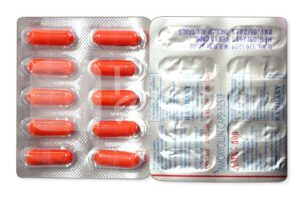
In brief
Amoxycillin contains amoxicillin. Susceptible bacterial infections of the ear, respiratory tract and other sites can be treated with amoxicillin. This penicillin-family medicine does not work against the viruses responsible for colds and flu.
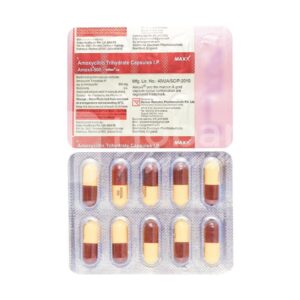
Amoxycillin, spelt amoxicillin in most other countries, belongs to the penicillin family of antibiotics, and doctors use it against infections that bacteria have caused. This page covers Amoxycillin (amoxicillin) tablets and capsules as they are offered at Hobart Pharmacy: which infections the medicine is licensed for, how it is taken, who must avoid it, and how an Amoxycillin order is delivered across Australia, from Tasmania to Western Australia. If you prefer the brand, there is a separate page for Amoxil
Amoxycillin key facts at a glance
- Active ingredient: amoxicillin (Australian spelling amoxycillin), usually as amoxicillin trihydrate.
- Medicine group: aminopenicillin antibiotic.
- Strengths offered: 250 mg and 500 mg.
- Pack sizes: 30, 60, 90, 120, 180 and 360.
- Works only on bacteria; it has no effect on viruses such as colds and flu.
- Can be taken with or without food, usually two or three times a day.
- Do not use if you are allergic to penicillin.
Infections treated with Amoxycillin
Amoxycillin is licensed for bacterial infections of many body sites, provided the germ is sensitive to it. Typical examples are infections of the ear, nose and throat (including tonsillitis and sinusitis), the chest (bronchitis and pneumonia caused by susceptible bacteria), the urinary tract, the skin and soft tissue, and dental infections. Doctors also prescribe Amoxycillin in combination with other medicines to clear Helicobacter pylori, the stomach bacterium that can cause ulcers.
Whether you need an antibiotic at all depends on the cause, and Amoxycillin should never be used just in case. Most sore throats, coughs, colds and cases of flu are viral, and Amoxycillin will not help them. Antibiotics taken when they are not needed give side effects with no benefit and encourage resistant bacteria. A doctor should confirm that your infection is bacterial before Amoxycillin is started.
What Amoxycillin does to bacteria
Each bacterium sits inside a protective wall that holds its shape. Amoxycillin blocks the enzymes that bacteria use to build and repair that wall, so they weaken and burst. Because human cells have no cell wall, the medicine targets the germ rather than you. It is absorbed well from the gut, reaches therapeutic levels in many tissues within an hour or two and leaves the body mainly through the kidneys, so people with kidney disease may need a lower dose. Some bacteria make an enzyme (beta-lactamase) that destroys Amoxycillin; in those cases a different antibiotic, or Amoxycillin combined with clavulanic acid, may be chosen instead.
Before you take Amoxycillin
Tell your doctor before starting Amoxycillin if any of the following apply:
- You have ever had an allergic reaction to a penicillin, such as a rash, swelling or breathing trouble. This is the most important point. People with a penicillin allergy must not take Amoxycillin, and a few may also react to cephalosporin antibiotics.
- You have glandular fever (infectious mononucleosis), because amoxicillin often provokes a rash in this illness.
- You have kidney disease, or you are on dialysis.
- You have had severe diarrhoea after antibiotics in the past.
- You are pregnant, planning a pregnancy or breastfeeding.
- You have asthma or other allergies, such as hay fever or eczema, which make an allergic reaction more likely.
How to take Amoxycillin
For adults, labels commonly describe 250 mg to 500 mg of Amoxycillin every eight hours (three times a day), or 500 mg every twelve hours for mild to moderate infections, with higher doses for severe infections. Children are dosed by body weight, and people with kidney impairment take it less often. Your doctor will choose the strength, how often to take it and how long the course lasts; do not set your own dose.
- Swallow the capsule or tablet whole with a glass of water.
- Food does not stop Amoxycillin being absorbed, so take it with a meal if it upsets your stomach.
- Space the doses evenly through the day.
- When a dose slips past you, take it once you notice, but leave it out if the next dose is nearly due, and never double up.
Complete the prescribed course, but only when an antibiotic is needed
Take Amoxycillin for as long as the doctor has said, even after you start to feel better, unless a serious reaction occurs. Stopping early can leave some bacteria alive, and the infection may return. For infections caused by Streptococcus pyogenes (such as strep throat), the US label advises treatment for at least ten days. Do not save leftover tablets for later or share them with anyone else.
Unwanted effects of Amoxycillin
Many people take Amoxycillin without any problem. The commonly reported effects are:
- nausea, vomiting and loose stools;
- mild skin rash;
- thrush, a yeast overgrowth in the mouth or genital area, which can follow any course of antibiotics;
- headache.
Stop taking Amoxycillin and seek medical help immediately if you have swelling of the face, lips or throat, difficulty breathing, a widespread or blistering rash, peeling skin, severe or bloody diarrhoea (which may signal Clostridioides difficile infection and can appear weeks after the course), yellowing of the skin or eyes, unusual bruising or bleeding, or dark urine. Do not take anti-diarrhoea tablets for severe diarrhoea unless a doctor says so.
Medicines that interact with Amoxycillin
- Methotrexate: amoxicillin can raise methotrexate levels and increase its toxicity.
- Warfarin and other blood thinners: blood clotting tests may be needed more often.
- Probenecid: slows the removal of Amoxycillin, so levels rise.
- Allopurinol: taking it together with Amoxycillin raises the chance of a skin rash.
- Mycophenolate: its effect may be lower during an antibiotic course.
- Oral contraceptives: rare cases of reduced effectiveness have been reported, and some leaflets advise extra precautions, so ask your doctor or pharmacist.
Tell the person who treats you about every medicine you take, including herbal remedies and supplements, and mention Amoxycillin to any doctor who orders blood or urine tests. Lab tests can also be affected: Amoxycillin may cause false-positive results on some urine glucose tests that use copper-reduction methods.
Amoxycillin set against other antibiotics
| Antibiotic | Family | Where it differs |
|---|---|---|
| Amoxycillin | Penicillin (aminopenicillin) | First-line for many common infections; destroyed by beta-lactamase enzymes |
| Amoxycillin with clavulanic acid | Penicillin plus enzyme blocker | Covers bacteria that make beta-lactamase |
| Phenoxymethylpenicillin | Penicillin | Narrower spectrum; taken on an empty stomach |
| Cefalexin | Cephalosporin | Alternative for some skin and urinary infections; a small cross-allergy risk |
| Doxycycline | Tetracycline | Option for some people with penicillin allergy; not for pregnancy or young children |
The right antibiotic depends on the site of the infection, the likely germ and your allergy history. Only a doctor can make that choice. Amoxycillin is often chosen first because it has been used for a very long time, is usually well tolerated, and works against a broad range of common bacteria, but it is not suitable for every infection and it is never a substitute for a proper diagnosis.
Ordering Amoxycillin from Hobart Pharmacy
On the Amoxycillin card, choose either 250 mg or 500 mg and then the pack. Both spellings, amoxycillin and amoxicillin, refer to this one medicine. Most people order only the strength and number of units their doctor has set for a single course. For example, 500 mg three times a day for seven days uses 21 capsules, so a pack of 30 covers it. Larger packs of 90 to 360 are for those with repeat courses planned. Because antibiotics should be used only when needed, resist stocking up for illnesses you do not yet have; instead, order for a course you have been advised to take. The price for each strength and pack is displayed on the product card as you select it.
Keeping Amoxycillin at home
Store Amoxycillin capsules and tablets in a cool, dry place below 25 degrees Celsius, in the original pack, away from heat and children. Do not use after the expiry date. Take any leftover tablets to a pharmacy for safe disposal and do not flush them.
Delivery of your Amoxycillin order
Orders go out in discreet packaging. Trackable service: roughly 7–14 days for about AUD 45, with a tracking number emailed to you. Airmail service: roughly 14–22 days, free once an order passes about AUD 23. These are estimates only, so if you have an infection now, speak to a doctor about getting treatment quickly rather than waiting for a parcel.
Amoxycillin: questions and answers
Can I buy amoxicillin online in Australia?
Amoxycillin is a prescription antibiotic, so speak with your doctor before you start. The product card lists the strengths and pack sizes.
Are amoxicillin and amoxycillin different drugs?
No. One is the international spelling and the other the Australian spelling of the same active ingredient.
Does Amoxycillin work against a cold?
No. Colds and flu are caused by viruses, which Amoxycillin cannot kill.
Can I use Amoxycillin if penicillin has upset me before?
A known penicillin allergy rules Amoxycillin out. Let your doctor know exactly what reaction you had so a safer antibiotic can be picked. If your face or throat swells, or breathing becomes hard, call emergency services at once.
How is 250 mg Amoxycillin different from 500 mg?
It is the same medicine in a different amount per capsule or tablet. The dose your doctor chooses decides which strength is practical.
How fast does Amoxycillin work?
Improvement is often noticed within a few days, but you still need to finish the course, but you still need to finish the course. If you are no better after a few days, or you feel worse, go back to your doctor.
Safety note about Amoxycillin
This page is for general information and does not replace a medical consultation. Talk to your doctor before starting Amoxycillin, read the leaflet in the pack, and seek urgent help for any allergic reaction.