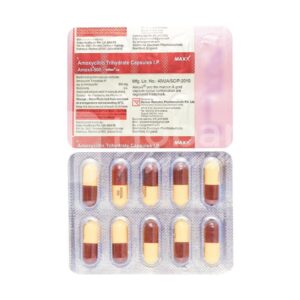
Amoxil
In brief
Amoxil contains amoxicillin. Amoxicillin is a penicillin antibiotic used for a range of bacterial infections. It weakens bacterial cell walls and is unsuitable for people with certain penicillin allergies.
Indications & Expanded Uses
Amoxil is widely indicated for an array of bacterial infections, including pharyngitis, otitis media, and urinary tract infections. An emerging area of interest includes off-label practices developing in Australian clinics, particularly its role in treating Helicobacter pylori infections as part of eradication therapy.
The expansive therapeutic applications of amoxicillin illustrate its integral role in managing mixed bacterial infections, especially significant within paediatric care settings. This focuses attention on the need for appropriate dosing, such as amoxil drops and syrup formulations specifically designed for children.
As the medical community looks to enhance treatment protocols, the need to broaden understanding in treatment methodologies becomes critical. This includes fostering education around the safe use of Amoxil in varying patient demographics, underscoring the drug’s relevance in achieving desired health outcomes for high-risk populations. Paediatric doses require particular attention, ensuring safe and effective treatment across age groups. Thus, fostering awareness regarding recommended dosages remains a key focus for practitioners in facilitating patient care.
Composition & Brand Landscape
The primary composition of Amoxil encompasses amoxicillin, classified under the aminopenicillins as a broad-spectrum antibiotic. The Australian market features various formulations, including capsules, tablets, and oral suspensions in varied strengths such as 125 mg/5mL and 250 mg/5mL. These variations aim to cater to differing patient needs, enhancing ease of use and compliance.
A table summarising Australian brand names, along with their PBS status, will elucidate options available for patients, promoting clarity around generic alternatives. Manufacturers like GlaxoSmithKline offer Amoxil alongside numerous local generics, fostering competitive pricing which enhances patient accessibility to necessary medications. For those searching for Amoxil, understanding the available options can aid in making informed choices. Exploring avenues such as online pharmacies allows patients to navigate purchase avenues, ensuring timely and effective treatment for bacterial infections.
Overall, Amoxil remains an essential component in Australia’s antibiotic arsenal, facilitating effective treatment pathways in the ongoing battle against common bacterial infections.
Contraindications & Special Precautions
When considering Amoxil, it’s crucial to recognise that absolute contraindications include known allergies to penicillin or other beta-lactam antibiotics. Special care must also be extended towards high-risk groups within the Australian demographic such as Indigenous communities, the elderly, and pregnant women who may require tailored approaches regarding their treatment plans.
Specific lifestyle factors shouldn’t be ignored either; post-ingestion driving restrictions and workplace safety considerations should be discussed to ensure informed consent and enhance treatment adherence. Knowledge surrounding potential side effects, like an Amoxil rash, should also be effectively communicated to patients, promoting proactive response strategies where necessary.
Healthcare professionals play a pivotal role in providing comprehensive information, equipping patients with the means to engage safely and knowledgeably with their prescriptions. By streamlining these discussions and focusing on informed practice, practitioners can foster safe utilisation of Amoxil, enhancing patient outcomes and promoting overall wellbeing in the community.
Dosage Guidelines
Dosage regimens for Amoxil are essential for achieving the desired treatment efficacy, especially in Australia where specific guidelines are in place. Understanding the right amoxil dose is crucial, particularly for pediatric patients, as dosing is often tailored based on the child’s age and weight.
For common indications like pharyngitis and urinary tract infections (UTIs), here are the standard dosages:
- Adults:
- Pharyngitis/Tonsillitis: 500 mg every 12 hours or 250 mg every 8 hours.
- Urinary Tract Infection: 250–500 mg every 8 hours.
- Children:
- Pharyngitis: 20–40 mg/kg/day in divided doses.
- UTI: 20–40 mg/kg/day divided into 2–3 doses.
As per PBS recommendations, the dosage should also be adjusted for patients with comorbidities such as renal or hepatic impairment. It’s essential to create tailored treatment plans which consider individual patient needs.
Interactions Overview
When prescribing Amoxil, it’s vital to be aware of potential drug interactions and food conflicts. Notably, amoxil and alcohol can lead to undesirable side effects or affect treatment efficacy, so patients should be advised to avoid alcohol.
Food interactions may also occur, particularly with high-fat foods that can influence absorption rates. Additionally, recent findings from TGA reports highlight the importance of being cautious with concurrent medications that can interact with Amoxil, leading to complications such as gastrointestinal disturbances or allergic reactions.
Thus, healthcare professionals are advised to thoroughly review a patient’s medication history and provide clear advice to avoid any adverse interactions. Monitoring should be especially vigilant for patients taking multiple medications or those with known sensitivities.
Availability & Pricing Patterns
The pricing of Amoxil in Australia can fluctuate significantly depending on the pharmacy and whether the patient is using PBS coverage. Typical costs for amoxil 500mg capsules may vary across major outlets, with Chemist Warehouse and TerryWhite Chemmart often offering competitive prices.
For patients seeking affordability, comparing prices among local pharmacies and online options can be worth the effort. In addition, script fulfilment patterns have changed recently, particularly with the increase in telehealth-linked prescriptions, making it easier for patients to access necessary medication without delays.
Ultimately, patients should be informed of their options, ensuring they can obtain quality medications like Amoxil for the best possible price.
Comparable Medicines and Preferences
When deliberating on treatment options, a comparative analysis of alternatives to Amoxil is vital. Medications such as ampicillin and amoxicillin-clavulanate (Augmentin) provide similar benefits but vary in efficacy and patient tolerance.
Each of these alternatives has unique advantages and disadvantages. For example:
- Ampicillin: An older antibiotic, usually less well absorbed orally.
- Amoxicillin-Clavulanate: Combines amoxicillin with a beta-lactamase inhibitor, which can be beneficial for resistant infections.
- Cefalexin: A cephalosporin that may be prescribed for patients with penicillin allergies.
Factors such as patient allergies and drug resistance patterns in Australia can heavily influence prescription choices. Healthcare providers must remain informed about these alternatives to effectively guide treatment plans whilst considering patient safety and treatment efficacy. Understanding these dynamics enhances the decision-making process in clinical settings, ensuring optimal outcomes for patients.
Frequently Asked Questions about Amoxil
Many patients have questions when it comes to taking Amoxil. Here’s a concise guide addressing common inquiries:
How should I take Amoxil? Amoxil can be taken with or without food. It’s essential to follow the prescribed dosage for the best effectiveness. For those on Amoxil liquid (suspension), shake the bottle well before each use and use a dosing syringe or spoon for accuracy. The common dosages include:
- Adults: 250 mg to 875 mg depending on the infection.
- Children: Doses are usually based on weight, typically ranging from 20 to 40 mg/kg/day in divided doses.
What are the side effects of Amoxil? Side effects may include mild symptoms like nausea, vomiting, and diarrhoea. Some patients might experience skin rashes or more serious reactions. It’s advisable to monitor any new symptoms, especially allergic reactions like rashes or difficulty breathing, and seek medical advice if they occur.
Can I take Amoxil while pregnant or breastfeeding? Amoxicillin is generally considered safe during pregnancy and while breastfeeding, but it’s essential to consult a healthcare professional regarding individual circumstances.
What should I do if I miss a dose? If a dose is missed, take it as soon as possible. However, if it’s almost time for the next dose, skip the missed dose to avoid doubling up.
Guidelines for Proper Use of Amoxil
The Therapeutic Goods Administration (TGA) and Pharmaceutical Benefits Scheme (PBS) provide essential guidance on using Amoxil effectively:
Healthcare professionals should educate patients on the following:
- Dosage: Adhere strictly to prescribed amounts; do not self-adjust.
- Adherence: Complete the full course of Amoxil, even if symptoms improve before the medication is finished.
- Side Effects: Be aware of potential side effects, and contact a doctor if they become severe.
It’s important to dispel common myths surrounding antibiotic use. For instance, Amoxil isn’t effective against viral infections, so it’s critical to ensure it’s the appropriate treatment.
Patients should also consider common dosages: Amoxil tablets are available in strengths such as 250 mg and 500 mg. For children, amoxil paediatric drops provide a liquid option that is easier to administer. Always store Amoxil at recommended temperatures; tablets should remain at room temperature while liquid forms need refrigeration.
Lastly, improper use can lead to antibiotic resistance, so following guidelines about Amoxil usage is essential for the health of both the individual and the broader community.
Delivery across Australia
Australian cities and delivery information
| City | State or territory |
|---|---|
| Sydney | New South Wales |
| Melbourne | Victoria |
| Brisbane | Queensland |
| Perth | Western Australia |
| Adelaide | South Australia |
| Hobart | Tasmania |
| Gold Coast | Queensland |
| Canberra | Australian Capital Territory |
| Cairns | Queensland |
| Central Coast | New South Wales |
| Townsville | Queensland |
| Darwin | Northern Territory |
| Newcastle | New South Wales |
| Geelong | Victoria |
| Gladstone | Queensland |
| Port Macquarie | New South Wales |
| Bathurst | New South Wales |
| Forbes | New South Wales |
| Geraldton | Western Australia |
| Goulburn | New South Wales |