Alphamox
In brief
- You can purchase alphamox (amoxicillin) without a prescription in our pharmacy, with delivery available throughout Australia. Discreet packaging ensures your privacy.
- Alphamox is used to treat various bacterial infections, including acute bacterial sinusitis and community-acquired pneumonia. It functions as a broad-spectrum antibiotic by inhibiting bacterial DNA gyrase and topoisomerase IV.
- The usual dosage of alphamox is 400 mg once daily for most conditions.
- The form of administration is a tablet or IV solution.
- The onset of action occurs within 1 to 2 hours after administration.
- The duration of action is approximately 24 hours.
- It is advised to avoid alcohol while taking alphamox.
- The most common side effect is nausea.
- Would you like to try alphamox without a prescription?
Basic Alphamox Information
- INN (International Nonproprietary Name): Moxifloxacin
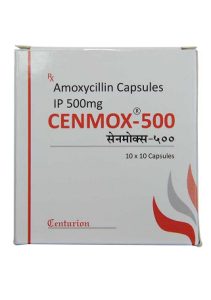
- Brand Names Available in Australia: Avelox, Cenmox
- ATC Code: J01MA14
- Forms & Dosages: Oral tablets (400 mg), IV solution (400 mg/250 mL), ophthalmic solution (variable)
- Manufacturers in Australia: Bayer AG, multiple generics
- Registration Status in Australia: Prescription only
- OTC / Rx Classification: Rx only
Composition & Brand Landscape
Moxifloxacin is known in Australia primarily under the brand name Avelox. Additionally, it can be found in generic forms such as Cenmox, along with other brands. It is typically available in various formulations, including:
- 400 mg oral tablets
- IV solution (400 mg in 250 mL)
- Ophthalmic solutions
This diversity in packaging and dosage forms allows practitioners to choose the most effective treatments for different types of bacterial infections, ensuring patients receive timely care.
Moxifloxacin is included in the Pharmaceutical Benefits Scheme (PBS) in Australia, offering patients more accessible treatment options. Patients can obtain this medication from major pharmacy chains such as Chemist Warehouse and Priceline. Being part of the PBS means that government subsidies can significantly reduce treatment costs, thus easing the financial burden on patients.
When considering alternatives in the fluoroquinolone class, products like levofloxacin and ciprofloxacin also exist. However, moxifloxacin often stands out due to its broader efficacy against resistant bacterial strains, making it a preferred choice in many community healthcare settings.
Healthcare professionals must stay informed on the evolving brand landscape and regulatory changes to guide patients effectively towards the most economically viable and medically appropriate treatment options under the PBS.
Contraindications & Special Precautions
Patient safety is a top priority when prescribing moxifloxacin, which has outlined both absolute and relative contraindications. Absolute contraindications are crucial to note:
- Known hypersensitivity to moxifloxacin or other fluoroquinolones
- History of tendon disorders related to fluoroquinolone use
- Myasthenia gravis
- Severe liver failure
In contrast, relative contraindications require meticulous patient monitoring. Specific high-risk groups—including the elderly, those with renal impairment, and patients experiencing QT prolongation—warrant extra caution. This is especially crucial for Indigenous populations, where healthcare disparities can heighten infection risks and complications related to antibiotic use.
Patients prescribed moxifloxacin should receive comprehensive lifestyle guidance. Advising caution around activities requiring full concentration, such as driving, may be necessary due to potential side effects like dizziness. It’s also important to educate patients about avoiding certain dietary interactions, such as those with caffeine and alcohol, which can worsen side effects.
Clear and effective communication between healthcare providers and patients bolsters adherence and minimizes adverse events. By understanding the specific risk factors associated with moxifloxacin, patients can achieve safer outcomes.
Dosage Guidelines
Dosage guidelines for moxifloxacin in Australia reflect the Therapeutic Goods Administration’s (TGA) recommendations. For adults, the standard dose is typically 400 mg, administered once daily. Treatment duration may vary depending on the clinical indication:
| Condition | Standard Dose | Duration |
|---|---|---|
| Acute bacterial sinusitis | 400 mg once daily | 10 days |
| Community-acquired pneumonia | 400 mg once daily | 7–14 days |
| Complicated skin/structure infections | 400 mg once daily | 7–21 days |
For patients with certain comorbidities, dosage adjustments may be necessary. Elderly patients especially should be evaluated for renal and liver function to avoid complications, while renal impairment typically does not require dosage alterations unless severe comorbid conditions complicate the clinical picture.
Pay careful attention to those with severe hepatic impairment, as they need specially tailored treatment plans. It is crucial for healthcare professionals to convey these guidelines clearly so that optimal treatment outcomes are achieved across all patient demographics.
Interactions Overview
When considering moxifloxacin, understanding its interactions is crucial for both patients and prescribers alike. One primary concern is the interaction between moxifloxacin and specific food and drinks. Dairy products and high-calcium foods can hinder its absorption, reducing the medication’s effectiveness. Additionally, alcohol should be consumed with caution during treatment. Research indicates that combining moxifloxacin with alcohol might amplify side effects, including central nervous system toxicity and potential cardiovascular issues.
Moreover, moxifloxacin interacts with several medications, particularly those that extend the QT interval. Examples include certain antiarrhythmics, antidepressants, and antipsychotics. The Therapeutic Goods Administration (TGA) monitoring highlights that older adults on multiple medications are at increased risk for serious side effects, and there have been cases resulting in fatalities.
Healthcare professionals routinely advise patients to disclose all medications they’re taking, which includes over-the-counter drugs, supplements, and any herbal remedies. Patient education plays a significant role in ensuring adherence to prescribed guidelines about these interactions, ultimately reducing the potential for complications.
Incorporating safe practices in moxifloxacin usage aligns with public health guidance, aiding clinicians in effectively managing antibiotic use and minimising adverse outcomes.
Availability & Pricing Patterns
Moxifloxacin, known under the brand name Avelox, is readily available in pharmacies across Australia, including prominent chains such as Chemist Warehouse, Priceline, and TerryWhite Chemmart. Its availability is significantly enhanced by the PBS, which allows for reduced costs for consumers.
The pricing of moxifloxacin varies by formulation. Patients entitled to PBS can expect to pay between $20 to $30 per course of tablets. Conversely, those without PBS coverage might face costs exceeding $100, showcasing the financial accessibility the scheme provides.
Online pharmacies have also started offering moxifloxacin. With the help of telehealth consultations, patients can efficiently acquire prescriptions. However, it is crucial for patients to ensure they buy from legitimate online sources to avoid counterfeit medications.
Pricing patterns across urban and rural areas can reflect significant disparities; patients in rural locations may encounter extended wait times for moxifloxacin to become available in local pharmacies.
Overall, grasping these pricing dynamics and accessibility issues empowers consumers and informs health policy discussions, ensuring better resource allocation within Australian healthcare.
| City | Region | Delivery Time |
|---|---|---|
| Sydney | New South Wales | 7–22 days |
| Melbourne | Victoria | 7–22 days |
| Brisbane | Queensland | 7–22 days |
| Perth | Western Australia | 7–22 days |
| Adelaide | South Australia | 7–22 days |
| Gold Coast | Queensland | 7–22 days |
| Canberra | Australian Capital Territory | 7–22 days |
| Newcastle | New South Wales | 7–22 days |
| Wollongong | New South Wales | 7–22 days |
| Geelong | Victoria | 7–22 days |
| Cairns | Queensland | 7–22 days |
| Sunshine Coast | Queensland | 7–22 days |
| Central Coast | New South Wales | 7–22 days |
| Townsville | Queensland | 7–22 days |